


BlogFriday, August 01 2025
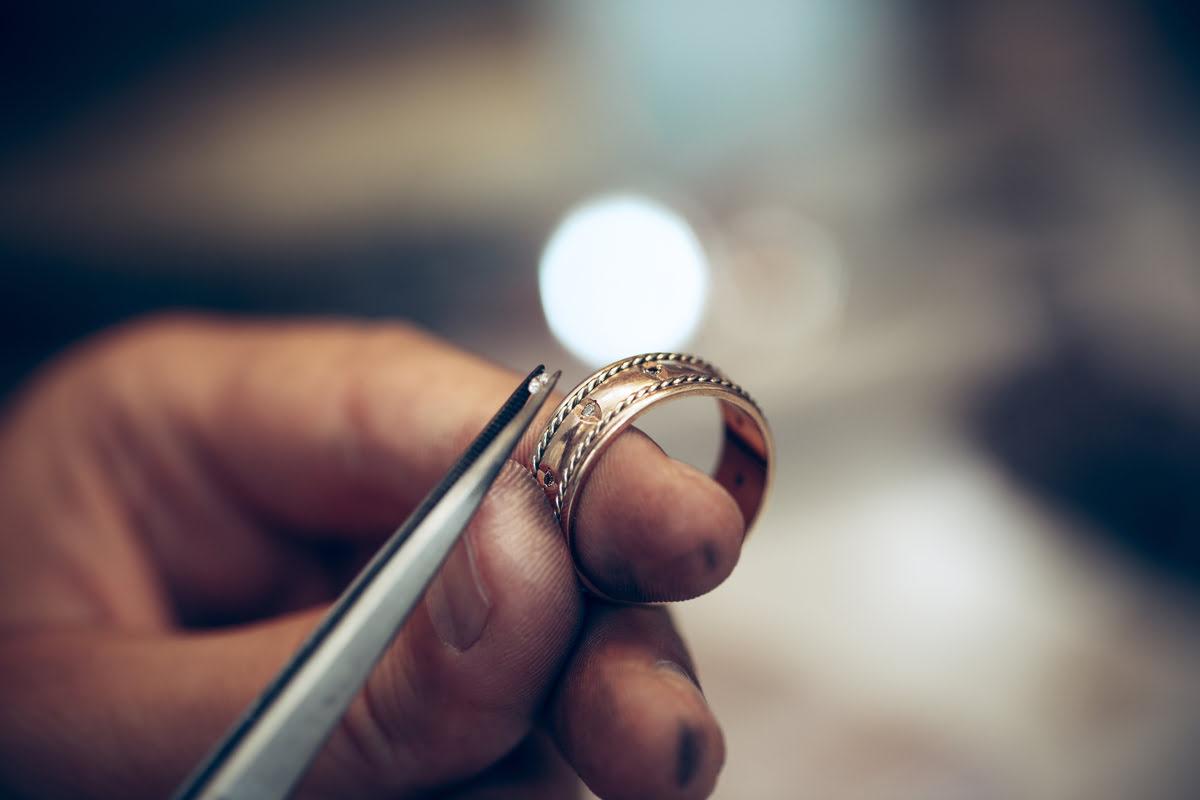
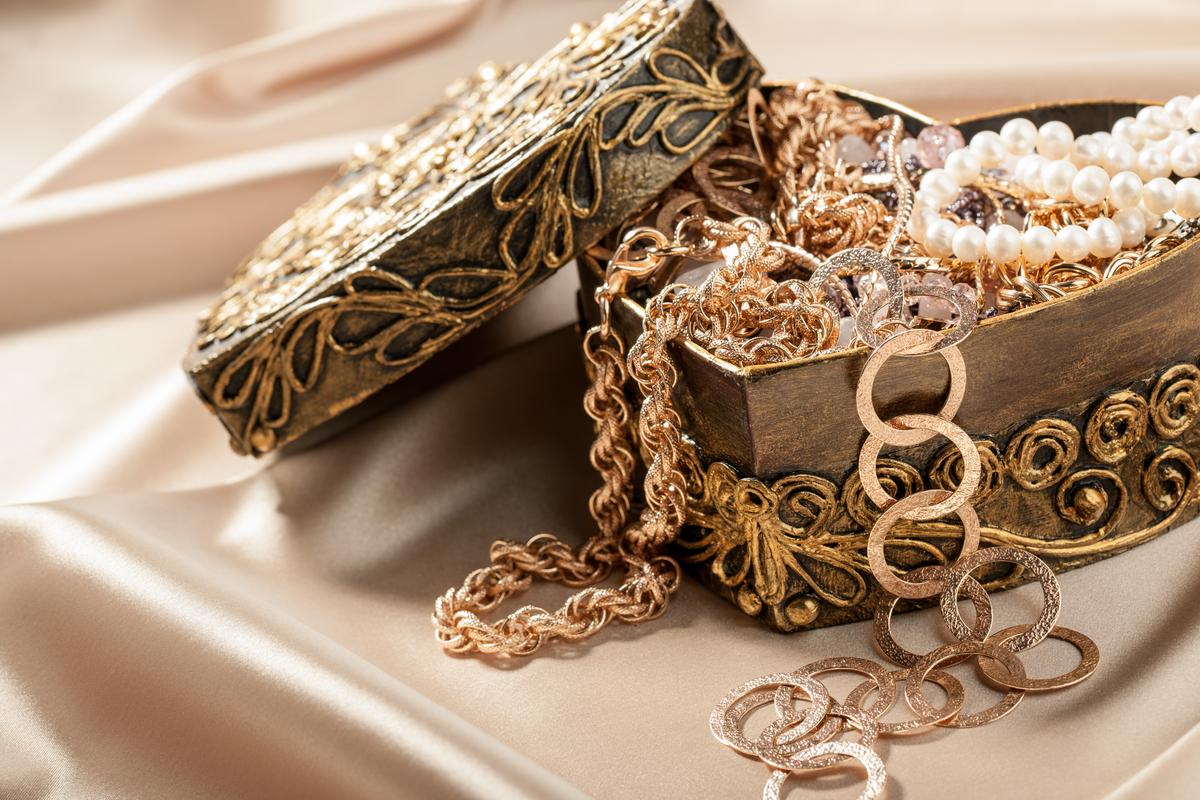 Gold is an incredibly valuable asset in any form, whether it be jewelry, bars, coins, or bullion. When the price of gold goes up, or when you need extra cash, it might be time to consider selling. But where? What is more profitable - to sell gold to a pawnshop or jewelry store? There are many factors involved in your choices. Do you have pressing needs? Are you looking for convenience? Is the market value for precious metals high? Let’s take a closer look. What Type of Gold do Pawn Shops Want?At Cash Express, we specialize in high-end jewelry and other items made of precious metals - silver, titanium, platinum, copper, and (of course) gold. You can have gold coins that not only have value for the metal, but also for the age and rarity. While a jewelry store may offer you a higher price, pawn shops have higher overhead, so you’ll probably get a little less. But stores do not provide quick cash with no hassles. Additionally, the store is typically very picky about the condition of your gold. By comparison, you can bring Cash Express broken or outdated pieces, and we can appraise them for the value of the gold alone. The exception would be plated gold items, which typically contain only a small percentage of gold in the mix. Is Selling Gold to a Pawn Shop Safe?There was a time when pawn shops had little oversight, but that situation changed. In Philadelphia, PA, all pawn shops have to have a license. They need proper identification, inventory tracking, to follow financial regulations, and to comply with anti-theft procedures. Having said that, just like jewelry stores, not all pawnshops are created equal. Some carry low-level merchandise, specialize in specific items, or have less-than-friendly staff. At Cash Express, things are different. Our staff is welcoming and knowledgeable. You also have the advantage of an on-site appraiser. You will find out the value of your gold right away. There is no pressure. You can accept the offer or walk away and wait until another time. We want to build a culture of trust with our clients. Benefits of Selling Gold to a Pawn Shop Instead of a Jewelry Store. There are specific benefits to bringing your jewelry and other gold items to Cash Express. For one, we’re easily accessible. The convenience means getting in and out quickly. You receive immediate payment for your gold. When something happens, and you need money right away, you’ll get it on the spot. No banks. No credit checks. It’s a no-nonsense process. If you’re looking for something new or a gift, you can trade your gold for store credit. There’s also an option that jewelry stores don’t provide: getting a loan (pawning) for your gold. If you have a valuable item but really don’t want to sell it, perhaps it’s a family antique, you can use it as collateral in the short term. At the end of that term, you repay what you owe with agreed-upon interest. The CaveatThere are two cautions. One, if you are unable to repay the loan, the store reserves the right to sell your item. If you’re getting close to the deadline, see if you can get an extension. Two: Don’t lose your pawn ticket. Without it, you’ll need to provide ID, a complete description of the item, and proof of ownership. Cash ExpressAt Cash Express, we take pride in being the number one pawn broker in Philadelphia for quick cash. We’d welcome the opportunity to look at your gold and give you a more personalized experience than a jewelry store. You can use our online contact form or email (info@pawnphiladephia.com) to open a discussion and ask questions. Or, call our office at 215-922-1560 Friday, August 01 2025
 Have you been thinking about pawning your Apple Watch or iPhone? It’s not that difficult. In fact, both Apple Watches and iPhones are highly sought-after items at shops like Cash Express. Our professionals are experienced in evaluating both, and can provide you with a competitive price on the spot. Walk in with a phone. Walk out with cash. The Value of Apple Watches and iPhonesSmartwatches have grown in popularity. They have an impressive presence in the market, in part due to their brand recognition. If you have an Apple Watch or iPhone in great condition with accessories, you may be surprised at the appraised value. Original packaging improves the amount you receive. There are other factors that affect the amount you can receive from Cash Express for your Apple Watch or iPhone. Here are some things we evaluate.
How to Prepare Apple Watch and iPhone for Pawn ShopIt’s essential to protect your personal data when you're ready to pawn your Apple Watch and iPhone. At Cash Express, we suggest following these steps. iPhone
Apple Watch
For Both
Generally speaking, preparing the Apple Watch and iPhone for pawning in this way may lead to a better offer. The Cash Express DifferenceIn providing fast cash to our customers, Cash Express is the number one pawn broker in Philadelphia, PA. Good quality watches and phones are two of the things we’re always on the lookout for. We’re happy to answer any questions you may have. You can reach us in three ways, besides visiting our store in person: Our online contact form Email us at info@pawnphiladephia.com, or Call our office at 215-922-1560
Tuesday, July 01 2025
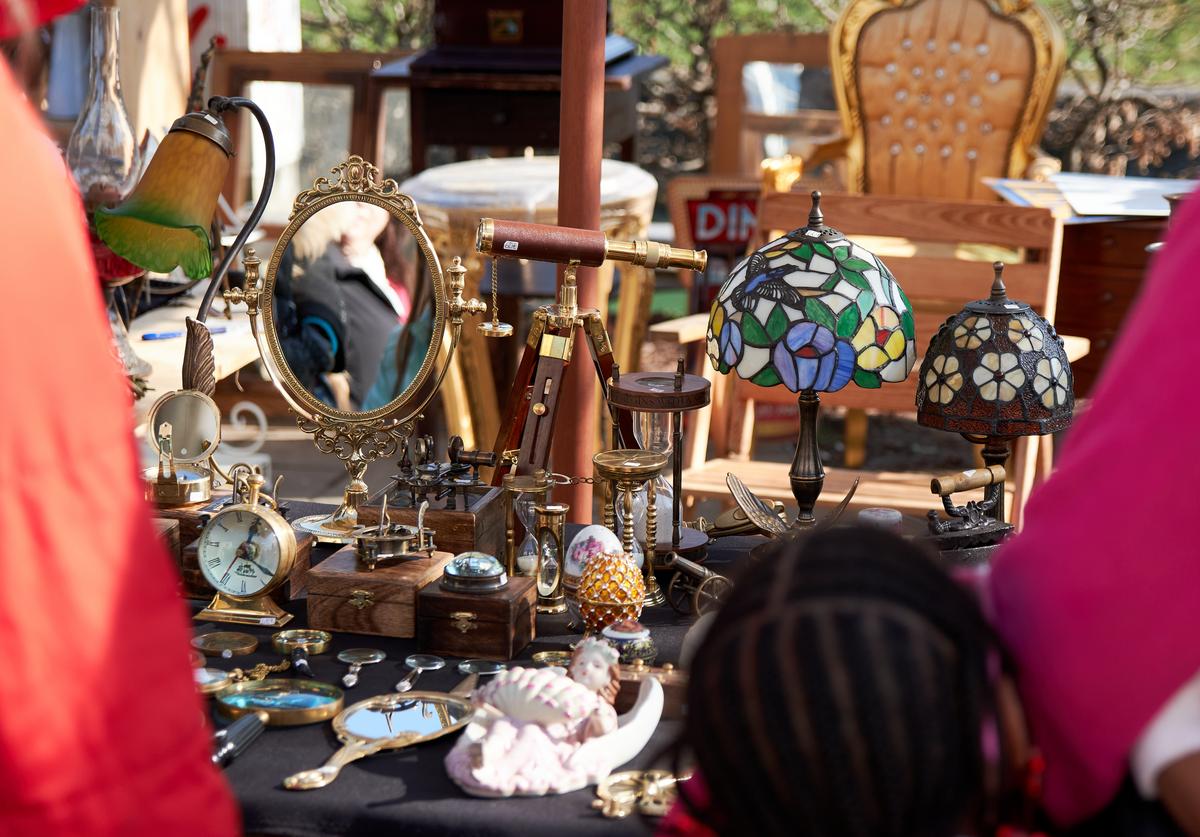 When you are looking for gifts but have a firm budget, Cash Express is a perfect shopping stop. Whether you want rings, musical instruments, electronics, or even antiques, we have a little bit of everything for everyone. This is just one of many reasons to shop for gifts at a pawn shop. 5 Reasons to Shop for Gifts at a Pawn Shop
Everyone is recycling these days. Rather than throw items out or go through the hassle of an auction site, people sell them to a pawnshop for fast cash. The store inspects each item, looking for the best condition. In some cases, such as with designer clothing, a piece may arrive with the tags still attached. When the product goes on sale, it’s pre-owned, priced right, repurposed, and ready for worry-free gift-giving. And because your purchase was never thrown out, you’ve helped reduce the carbon footprint, even in a small way. This is called upcycling.
You’ll find that pawn shops are frequently open longer hours, some even being 24/7. So you won’t have as many constraints on your shopping times. Additionally, stores like Cash Express have an ever-changing inventory. You can look at our gallery or call us ahead of time to see if we have one or more options for you, based on your inquiry. When you come into the store, you may find unexpected treasures that you’d never thought of for gift-giving.
Perhaps you find the perfect gift, but it’s a little out of your price range, even though it is pre-owned. Good news! You probably have one or two things sitting at home that you have no real use for anymore. You can come in and sell those or use them in trade to raise extra money for your purchase. What sort of things do we buy?
And much more. If you’re unsure, please feel free to call us at 215-922-1560 before visiting the store. We can tell you if what you have is what we are looking to buy.
For as long as there has been the art of pawning, there’s also been haggling. This part of shopping for gifts at a pawn shop is fun. You can work toward a reduced price and walk away with a great bargain. Don’t be afraid to give it a try. You’re not insulting the seller. They expect this. There are a few essential tips for haggling. Be polite. This isn’t the time to get all puffed up. If you are buying more than one item, your chances of getting a bundled deal are greater than if you were buying just one piece. If you notice an imperfection, point it out as a reason for your offer. Finally, cash is king. Cash transactions have historically offered more final price flexibility than checks or credit cards.
Pre-owned, priced right goods are excellent, but not if you find out they’re stolen. It is the shopkeeper's responsibility to check the databases for reported items. Once they’ve determined there are no legal issues, the next step is a visual inspection to look for flaws and verify if the item works (if applicable). Finally, an in-store appraiser reviews current market values for pricing. So, if you’re shopping for something valuable, you’ll walk out with an appraisal for your insurance. There are certainly more than 5 reasons to shop for gifts at a pawn shop, but these are some key points.
Tuesday, July 01 2025
 Sometimes life seems to go wrong for days, weeks, or even months at a time. It gets discouraging. Worry and anxiety ramp up. But you can go from desperation to opportunity. A pawnshop can turn things around quickly. Stop and LookWhat items do you have around your home that you haven’t used or even thought about in 6 months or more? Those are your golden nuggets for pawning. Make a list. Take pictures. Then contact a shop like Cash Express for help. We can get you cash far faster than any bank loan. How do Pawn Shops Work?Basically, a shopkeeper looks at what you’ve brought in to sell or pawn. They consider the value. From here, things go one of two ways.
This is ideal if you don’t need or want it anymore. You come to a financial agreement with the owner about payment. They will check to see if the item might be lost or stolen on Police Bulletins before finalizing anything. Don’t feel offended. It has to be done. In PA it is illegal to “receive, retain, or dispose” of stolen goods. This protects people coming to buy items, too. Once you’ve agreed upon an amount, you’ll sign off on a receipt and be given your cash. You’re ready to take that money and create opportunity.
For this transaction, you will turn your item into the shop for a short term loan. That item is your collateral. Cash Express handles transactions like this every day to help people turn things around. The owner or staff will look over what you have. They may take one item, several, or everything, depending on what they need in their current inventory. This might seem odd at first since it’s only collateral. But, the store has to make money. If you default on your loan, the store can sell it, so value matters. Do pawn shops ever say no to a loan? Yes, for specific reasons (keep these in mind when choosing what you want to pawn).
About That LoanLet’s say the shop will give you a loan. Don’t expect full retail price. The amount you’ll receive is between 24% and 60% based on end-term value. Nonetheless, that amount can ease desperation and give you an opportunity to dig out. The owner will outline the terms of your loan, including a specific repayment schedule (average 30 days). They will give you a receipt (ticket) for the item. DO NOT LOSE THIS. It serves as evidence of the loan and your personal item. Now, here’s the sticky part. Many things that have value also have sentimental connections. If you fail to pay on time, that item is now the store’s property. If you are uncertain about your ability to repay, avoid pawning such goods. Also, if you know you’ll be late, talk to the owner or staff. You may be able to get an extension. Come to Cash ExpressHere, you don’t have to worry about having bad or no credit. Instead, we provide a quick cash answer to your current struggles. Reach out anytime. You can: Use our online contact form Email us at info@pawnphiladephia.com, Call our office at 215-922-1560 or Visit our store in person: 731 Chestnut St., Philadelphia, PA 19106
Tuesday, June 03 2025
 Have you ever wondered why Philly residents skip the bank and head to the pawnshop for ready money? Let’s face it. There are times when situations arise and you find yourself with empty pockets. Now’s the time to get cash and ask questions later. In the Philly area, Cash Express is the number one pawnbroker you can come to for assistance. We’re always on the lookout for gems, watches, antiques, and precious metals. Furniture? Yep. Jewelry? In good condition, that too. Even items considered “costume jewelry” can have surprising value. Up for Sale?Some of the items you wish to pawn aren’t necessarily those you want to sell outright. That’s where a pawn shop becomes a tremendous ally. You can skip the tedious bank lending process and head to the pawn store to discuss your item’s value. Once you arrive, we can give you a fair estimate based on current trends, the brand name, and overall condition. Trade your item(s) in for a loan. Cash first; Questions later! Okay, we’re really not going to keep you from asking questions. In fact, we encourage them. A pawnshop loan is not a traditional form of financing. Let’s take a closer look at a bank loan vs. quick cash at a pawn shop. Skip the Bank and Head to the Pawn ShopWhen you go to a bank for a loan, you must sign mounds of paperwork and present pertinent documents. And, of course, there’s the dreaded credit check. If you have poor credit, the bank might deny you outright or hike your interest rate. You have to wait for their response. In the meantime, you still have pressing issues. At the Cash Express store, you can get the loan you require on the spot, the same day! Worried about your credit? Don’t be. There are no credit checks. A bad credit score has nothing to do with your loan; it only concerns your ability to repay the money within an agreed-upon timeframe. When a Philadelphia Pawnshop Makes SenseThere are specific situations ideally suited to getting a pawnshop loan.
Of course, if you have no use for the item, you can sell it at Cash Express outright. Pawning is Nothing NewPawnshops have a history spanning 3,000 years, which is a pretty respectable resume. The staff at our Chestnut Street, Philadelphia store takes great pride in our trade, focused on excellent customer satisfaction. Let us help you, too! Give our office a call at 215-922-1560.
Tuesday, June 03 2025
 It’s time to clean out the cellar or attic. You start finding all kinds of electronic items you’d totally forgotten about. Don’t start tossing them in a garbage bag! When you find out what your old electronics could be worth today, you might be shocked! And you’re not alone. At Cash Express, people come in daily with old devices that were just collecting dust. Declutter, Make Money, Exchange or Shop!Selling old gadgets is one way of recycling and adding extra cash to your budget. The range of items having resale value is pretty extensive. The ones fetching the highest prices are (a) in good condition, (b) have paperwork or original boxes, and (c) have nostalgic or historical value. 5 Items: Trash to TreasureHere is a brief list of items you may have that Cash Express would love to review and appraise. Apple Lisa If you have one of these, hold on tight. This is a rare find that is significant to computer development history. With a mouse and printer, you’re looking at a couple of thousand dollars, depending on condition.. Atari 2600 The Atari 2600 is the proverbial gold standard in gaming computers. It provided an experience well above competitors. Couple it with games like Pong and Pac-Man, and you have a match made in heaven. Find one in original packaging and you can pocket over $1,000. Commodore 64 A home computer offering great graphics and sound, Commodore settled in as a very popular system by the late 1980s. You couldn’t beat the price of around $250.00. A decent unit now sells for slightly under that price, but you can still fetch $100 or more depending on accessories. Polaroid Cameras In the late 1940s, Polaroid made a name for itself with cameras that produced photos instantly. Later, between 1970 and 1980, photographers sometimes used them for a soft-focus effect. An original, vintage camera can sell for over $1,000, and some far more. Sony Walkman Music you take with you. The Sony Walkman entered the market in 1979 and quickly integrated into pop culture. Collectors watch for these all the time. Yours may be worth several hundred dollars or more. These are just five of the goodies you might find. What Else to Keep Your Eyes Open ForIn considering what your old electronics might be worth today, some other hot items are on many buyers’ lists. They include:
Determining ValueAt Cash Express, we consider several things when we offer you a price. Condition is a biggie. Clean, unbroken, and with an original package sets the stage for higher value. Then there’s rarity and popularity. The harder it is to find a collectible, the more buyers will pay. Think popular limited editions with recognizable names. If you’d like to learn more about what your old electronics might be worth, get in touch! Call our Philadelphia office at 215-922-1560. Use our online contact form, or email us at info@pawnphiladephia.com. We have a knowledgeable staff who are happy to answer your questions.
Friday, May 02 2025
 Cash Express is your go-to Philadelphia pawn shop for instant money when an urgent matter arises and you need quick cash. But you have no idea what might actually have the value you need or what the pawn shop might be looking for. For that matter, you may be cautious about pawning, not knowing much about the process. Sell Outright or PawnFirst things first. When you bring an item to a Philadelpia pawn shop, you have the option to sell it outright or pawn it. Obviously, if you choose to sell it, it should be something to which you have little sentimental attachment. The pocket watch your dad gave you is different from a snow blower. You will get immediate financial relief, but you will no longer be able to reclaim that item. Pawning is a loan. You don’t have to have a credit check; you get your money immediately. A contract is involved, detailing interest and a specific time within which it must be repaid usually 90-130 days). If you don’t pay on time, that item becomes the property of the pawnshop. In either case, bring any documentation you have proving your ownership. Remember that items in the best condition will yield more than those needing repair or touchups. Do a little research about your chosen item(s) before going to a store to understand their value. While you won’t get retail from pawning, having a price point is good. You will be asked for ID. This aids in law enforcement cooperation and any financial transaction requirements. Items Pawn Shops Often BuyEvery Philadelphia pawn shop has a different preferred inventory depending on current trends and perhaps a theme like knives and swords.. Cash Express specializes in high-end jewelry, watches, antiques, diamonds, and precious metals. But we also look for cameras, tools, musical instruments, tablets, and televisions. AntiquesCash Express has a whole showroom dedicated to antiques, including statues, service ware, candleholders, salt servers, chairs, and even urns. If you are thinking of selling or pawning a piece of furniture, call us beforehand (215-922-1560). We may not have room for it (right now) on the display floor. Even if our answer is “not now,” we may have an opening later or get a request for what you’re selling. Antique by Arc loves unique items! If you have anything that proves providence, please bring it with you. Providence shows us history, ownership, location made, and even sometimes the original value. If there’s a verifiable maker's mark, that's a real find. Those increase the value of an item. Clean Out the ClosetWhen your closet is stuffed to overflowing with many items you no longer wear, take a look through the tags. Any classic designer's clothing holds its value, as do some good-condition vintage pieces. Look for names like Armani, Chanel, Christian Dior, Gucci, Louis Vuitton, Pierre Cardin, Sephora, and Ralph Lauren. Minor wear and tear is expected. However, extensive rips or stains may make the item unsellable. Semi-Precious Sparkling StonesWhen people think of jewelry, many immediately think of pearls, diamond rings, sapphire earrings, and perhaps a dainty ruby bracelet. However, there are many other crystals that are both durable and valuable, whether loose or in a setting. Polished amethyst, tourmaline, and tanzanite are always delightful. Oh, and a sea-blue larimar catches the eye. So, if you find jewelry with stones other than the “traditional,” don’t rule it out. Also, don’t overlook costume pieces, many of which yield surprisingly pleasant appraisals. What Else Can You Sell or Pawn at a Philadelphia Pawn Shop for Instant Cash?Use your imagination. Do you have a plethora of video games? Maybe a laptop, guitar, amplifier, or designer watches? Cash Express has an appraiser on site, so we can give you a fair return. Don’t hesitate to contact us with questions. You can email info@pawnphiladelphia.com, or fill out our online contact form. We look forward to helping you achieve your financial goals. Friday, May 02 2025
 Cash Express is a Philadelphia pawn shop near you on whom you can depend. We are the number one pawnbroker in the area for Quick Cash. Specifically, we are always happy to consider loans for high-end pieces like precious metals, gems, watches, and antiques. Pawning Isn’t Always SellingWhen you need money quickly and consider pawning something on hand, you do not have to sell it. The truth is that many people have valuables with high sentimental value, and they don’t want to trade them in permanently. That’s where pawning your item comes into consideration. What is a Pawn Shop LoanGoing to a Philadelphia pawnshop near you for a loan is much easier than securing one from a financial institution. There are no credit checks, meaning your credit score won’t suffer. Additionally, you don’t have to worry if you have bad credit. Here’s how it works.
DO NOT LOOSE THAT TICKET You will need it to get your item back when you complete the loan
Selling If you don’t mind selling your item, you can certainly do so. Again, a Philadelphia pawn shop near you, like Cash Express, will give you immediate cash based on the value minus enough for the store to make money. We can then add it to our gallery of goods. What Can You Sell?The answer to that question is nearly anything. The bigger question is how much money you need for your current situation. When you know that, you can assemble a bundle of things that can potentially add to that goal. Remember you won’t be getting retail, so plan accordingly. Most Philadelphia pawn shops near you, like our store, are looking for specific items. We constantly watch for game consoles, electronics, bikes, precious metals (including coins), jewelry, cell phones, tools, watches, collectibles, and designer clothing, just to name a few. We watch consumer trends to see what’s popular, but we also appreciate one-of-a-kind, unique items. We also have Ark Antiques, specifically for those historical items and vintage treasures. Bring in those candelabras, vases, statues, and silverware! You may have a gold mine without even realizing it. Take a Field Trip to Cash Express!You may feel a little odd about going to a pawnshop for quick cash, but you’re taking part in a history going back 3,000 years. It’s not newfangled, and we promise you welcoming smiles and answers to your questions. You can get in touch with us before your visit in three ways:
Friday, April 04 2025
 When you’re looking for deals and unique items, going pawn shop shopping is a great option. But how does the whole process work? Basically, a business buys a variety of goods that other people no longer need or want. At Cash Express, we carefully inspect items, looking for flaws and fakes. So, on our showroom floor, what you see is truly what you get. Know Before You GoAs a first-time buyer, if you already know what you want, it’s time to do some research. Check eBay, Facebook Marketplace, second-hand places, or other online sites that offer a variety of goods. This will give you a pretty good feel for average pricing. If you are having trouble locating something, it may be in high demand, meaning you’ll pay more for it. Tips for Pawn Shop ShoppingOnce you arrive at the store, there are specific things you want to do to ensure you get the best quality, best product, and best price. Step One: Careful InspectionLook over your chosen item for any potential issues. Electronics shouldn’t have cracks or missing parts, and jewelry should have markings for gold or silver. Test anything that has to be plugged in or runs on batteries before you buy. Ask if there’s a return policy for the proverbial lemons. Step Two: HaggleThis can be fun. Say you are buying an antique. Make an offer that’s about 40 percent lower than the listed price. Base your offer on what you learned in your research. They may or may not accept. If the store owner is fixed on the price, see if you can get any extras instead. Also, let them know if you are paying in cash. In the pawn shop shopping throughout the industry, cash is king. When you come to Cash Express, the prices are often lower when our inventory is high. Timing is everything. You can usually find more items around the holidays and at the end of the month. Saying NoThere is no rule saying you have to buy now (or even later). If you feel there’s an issue with your negotiations and the price is too high, walk away. Likewise, if you are concerned about an item and there’s no return policy, that might be a reason to say no. Other OptionsGo check out other stores. Look to see if you have anything hanging around that you might trade. Or, ask about layaway. In pawn shop shopping, the longer an item remains in a store, the more wiggle room there is on the price. So, if you say “no” now but come back in a month and it’s still there, you have more room for negotiations. Retail Therapy at Cash ExpressAt Cash Express, we take great pride in our jewelry, watches, antiques, precious metals, and gems. The variety we offer is unparalleled. Our experts are on hand to answer any questions you may have. If you’d like to check our stock beforehand, use our online contact form, email info@pawnphiladephia.com, or call our office at 215-922-1560. When you’re ready for the in-person visit, we’re located at 731 Chestnut St., Philadelphia, PA. Tuesday, April 01 2025
 If you plan to shop for yourself or someone else, don’t overlook the option of seeking pawn shop finds. You can often uncover fantastic deals and unique items, like those we offer at Cash Express. The variety of options is outstanding! Shop Till ya’ DropNow, when you talk about the seven most popular items you can buy at pawn shops, you will get different opinions. What you consider a pawn shop find, like sporting goods, will differ from someone wanting to add to their shoe collection. Nonetheless, a distinct correlation exists between what a pawn shop buys and what popular items sell. We know our customers, and as we see trends in buying, we start hunting for those goodies.
There’s something special about owning a piece of history or adding to your personal figurine collection. What kind of pawn shop buys might you discover among antiques and collectibles? The variety is staggering. Artwork, lamps, serving platters, silver spoons, punch bowls, statuary, canes, wooden tables, and even bird cages appear among your selections. If you have a pretty good idea in mind of what you want, take some time to do research. Call the shop ahead of time to see if they have stock.
When designer accessories come into the store, we look them over carefully to ensure authenticity. Sometimes, items come with recipes and original packaging, making them even more valuable. Amidst the treasure trove, you can come across sunglasses, shoes, handbags, hair decorations, belts, ties, and scarves.
Everything electronic seems to get a lot of attention in the consumer market. Do you need a new gaming console? How about a camera or laptop. There are also smart phones, TVs, stereo systems, and GPS systems.
The most popular pieces in jewelry are those made from precious metals, those with gemstones, and vintage items. Try checking out well-known brand watches like Rolex, Cartier, Tudor, and Michael Kors. A nice thing about jewelry pawnshop finds, like those at Cash Express, is that your purchase can increase in value over time.
Adults can replace or upgrade their musical instruments at pawn shops. They can also get instruments for children in band or orchestra. Think keyboards, mixers, violins, drums, and flutes.
For the budget-minded sports enthusiast, buying second-hand makes sense. You can get baseball bats, safety equipment, golf clubs, bicycles, fitness equipment, and high-quality camping, fishing, and hiking supplies.
Putting together a decent tool kit gets expensive. So, why not check out a pawnshop like Cash Express for those incredible pawn shop finds? Hammers, lawnmowers, saws, drills, pressure washers, nuts & bolts, and so much more await you. Cash Express: Your One-Stop ShopWe have a reputation for excellence and expertise. Our store on Chestnut St., Philadelphia, carries a huge variety of interesting, distinctive, and attractively priced items from all over the world. Get in touch! You can use our online contact form, email us info@pawnphiladephia.com, or pick up the phone (215-922-1560) and let us know what you’re looking for. If we don’t have it, we can try to find it! |
